
WordPress vs Other Platforms: Best CMS for SEO Explained
Introduction
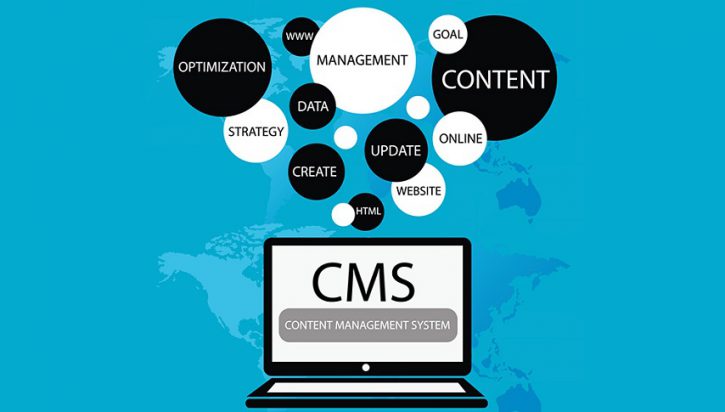
Choosing the right content management system is a critical decision for search engine optimization. When comparing WordPress vs other platforms, SEO performance often becomes the deciding factor. A CMS influences site speed, technical structure, content control, and long-term scalability. This article explains how WordPress compares with other popular CMS platforms and why it continues to be considered the best CMS for SEO.
Why CMS Choice Matters for SEO
A CMS determines how easily search engines can crawl and index your website. Factors such as URL structure, metadata control, internal linking, page speed, and mobile responsiveness are all shaped by the CMS. A platform that limits control over these elements can restrict ranking potential, even with high-quality content. Therefore, selecting an SEO-friendly CMS is foundational to organic growth.
WordPress: Built for SEO Flexibility
WordPress is widely recognized as the most SEO-friendly CMS due to its open-source architecture and flexibility. It allows full control over on-page SEO elements including title tags, meta descriptions, headers, image alt text, and internal linking structures.
With plugins such as Rank Math and Yoast SEO, WordPress users can implement advanced SEO features like schema markup, XML sitemaps, canonical URLs, and content optimization analysis. The platform also supports caching, CDN integration, and performance optimization tools that help meet Core Web Vitals requirements.
WordPress Performance and Scalability
One of WordPress’s strongest advantages is scalability. It can support everything from small blogs to high-traffic enterprise websites. When paired with optimized hosting and performance plugins, WordPress websites can achieve fast loading speeds and stable performance under heavy traffic.
Unlike closed platforms, WordPress allows developers to customize code, themes, and database structures, giving complete technical SEO control. This flexibility makes it ideal for long-term SEO strategies.
WordPress vs Shopify: SEO for E-Commerce
Shopify is a powerful CMS for e-commerce websites and offers strong built-in SEO features. It provides secure hosting, fast page loads, automatic sitemap generation, and easy metadata editing.
However, Shopify limits URL customization and deeper technical SEO control compared to WordPress with WooCommerce. While Shopify performs well for product-focused SEO, WordPress offers greater flexibility for content marketing, blog-driven SEO, and complex site structures.
WordPress vs Webflow: Design vs SEO Control
Webflow generates clean code and delivers excellent performance, making it strong for technical SEO. It includes built-in tools for metadata, redirects, and responsive design without relying on plugins.
Despite these advantages, Webflow lacks the extensive SEO plugin ecosystem and content scalability of WordPress. WordPress is better suited for content-heavy websites and long-term publishing strategies, while Webflow is more suitable for design-focused business sites.
WordPress vs Joomla: Complexity and Customization
Joomla offers strong SEO capabilities but requires more technical expertise to configure correctly. It allows advanced URL handling, structured content management, and multilingual SEO support.
Compared to Joomla, WordPress is easier to manage and has a larger community, better documentation, and more SEO extensions. This makes WordPress more accessible for businesses and marketers without dedicated development teams.
WordPress vs Drupal: Enterprise SEO Comparison
Drupal is designed for enterprise-level websites and offers advanced taxonomy, security, and performance optimization. It is capable of excellent SEO results when managed by experienced developers.
However, Drupal’s complexity and high development costs make it less practical for most businesses. WordPress delivers similar SEO benefits with lower cost, faster deployment, and easier management, making it the more practical SEO choice for most use cases.
Content Management and SEO Efficiency
WordPress excels in content creation and management, which is a major advantage for SEO. Publishing, updating, and optimizing content is faster and more efficient compared to other platforms. This supports consistent content production, which is essential for ranking growth.
Other platforms may offer strong technical SEO features, but WordPress provides the best balance between technical control and content efficiency.
Which CMS Is Best for SEO?
When comparing WordPress vs other platforms, WordPress consistently stands out as the best CMS for SEO. It offers unmatched flexibility, powerful optimization tools, and scalability across industries and website types.
While platforms like Shopify, Webflow, and Drupal perform well in specific scenarios, WordPress delivers the most comprehensive SEO control for long-term organic growth.
Final Verdict
WordPress remains the best CMS for SEO because it combines technical optimization, content scalability, and ease of use in a single platform. Its ability to adapt to evolving search engine algorithms makes it the preferred choice for businesses, publishers, and marketers focused on sustainable search rankings.


